
What Does Astaghfirullah Mean? — A Complete Islamic Guide
The phrase Astaghfirullah (Arabic: أَسْتَغْفِرُ ٱللّٰهَ) is among the most powerful and spiritually uplifting expressions in Islam. It literally translates to “I seek forgiveness from Allah,” reminding every believer to remain humble, self-aware, and connected with their Creator.
Understanding what Astaghfirullah mean helps Muslims realize that it’s more than just a phrase — it’s a spiritual journey toward repentance, mercy, and growth. Reciting Astaghfirullah mean is not merely an act of speech; it’s a deep form of dhikr (remembrance) and istighfar (repentance) that purifies the soul, erases sins, and brings divine blessings.
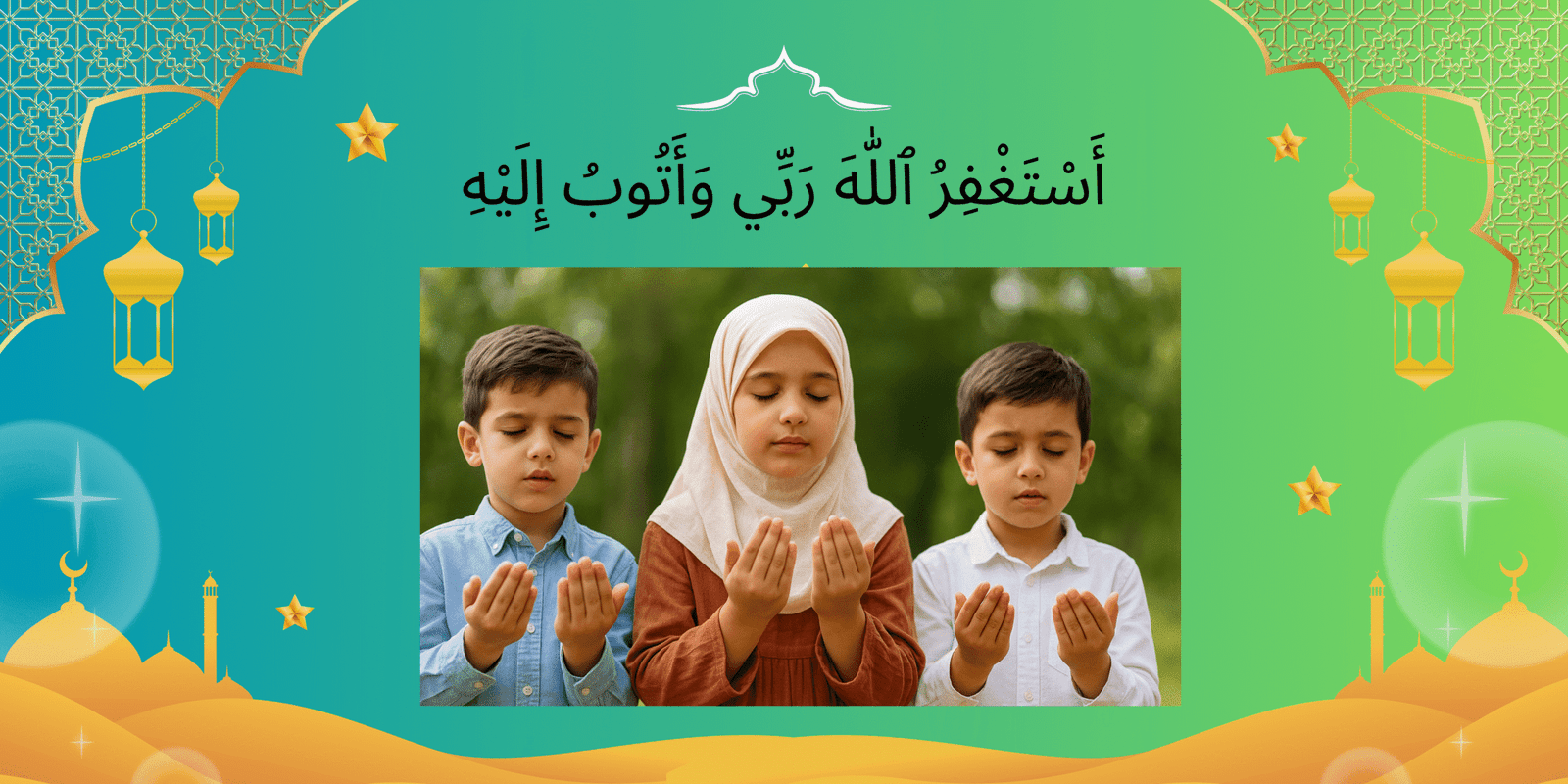
When and Why to Say Astaghfirullah
Literal Meaning and Linguistic Roots
Arabic: أَسْتَغْفِرُ ٱللّٰهَ
Transliteration: Astaghfirullāh
Meaning: I seek forgiveness from Allah
The phrase Astaghfirullah comes from the Arabic root غ-ف-ر (gh-f-r), meaning to cover, protect, or forgive. When a believer says Astaghfirullah, they ask Allah to forgive and conceal their sins.
As mentioned in Surah Nuh (71:10):وَاسْتَغْفِرُوا رَبَّكُمْ إِنَّهُ كَانَ غَفَّارًا
“Seek forgiveness from your Lord; indeed, He is ever Forgiving.”
How to Include Astaghfirullah in Daily Life
-
Start and end your day with Astaghfirullah
-
Say it silently during stress or anger
-
Keep a digital tasbeeh for easy remembrance
-
Encourage family members to recite it regularly
Even small, heartfelt recitations can bring peace and blessings into your life.
Want to strengthen your spiritual connection with Allah?
Read our detailed guide on Dua e Istikhara and learn how to seek divine guidance before making major decisions.
Common Forms of Astaghfirullah
-
أَسْتَغْفِرُ ٱللّٰهَ — Astaghfirullāh: “I seek Allah’s forgiveness.”
-
أَسْتَغْفِرُ ٱللّٰهَ العَظِيمَ — Astaghfirullāh al-‘Azīm: “I seek forgiveness from Allah, the Mighty.”
-
أَسْتَغْفِرُ ٱللّٰهَ رَبِّي وَأَتُوبُ إِلَيْهِ — Astaghfirullāh rabbī wa atūbu ilayh: “I seek forgiveness from my Lord and repent to Him.”
The Prophet Muhammad ﷺ said:“By Allah, I seek forgiveness from Allah more than seventy times a day.”
(Sahih Muslim, Book 35, Hadith 6523)
How to Say Astaghfirullah Sincerely — Step by Step
-
Stop the sin immediately — repentance starts with quitting the wrong action.
-
Feel true regret — the Prophet ﷺ said, “Remorse is repentance.”
-
Say Astaghfirullah consciously, from the heart, not out of habit.
-
Make a firm intention not to repeat the sin.
-
Fix any harm done — return people’s rights or apologize.
-
Follow with good deeds — Allah replaces evil with good for the sincere.
When to Say Astaghfirullah
While you can recite it anytime, these are the most blessed moments:
-
After Salah (prayer)
-
During Tahajjud
-
After committing a sin
-
Morning and evening adhkar
-
On Fridays or in Ramadan
The Prophet ﷺ used to say Astaghfirullah three times after every prayer — a Sunnah worth following.
Benefits of Saying Astaghfirullah
1. Forgiveness and Merc “And who forgives sins except Allah?” (3:135)
Regular recitation of Astaghfirullah mean opens the doors of mercy and divine forgiveness.
2. Blessings and Provisions“He will send rain upon you abundantly and increase you in wealth and children.”
(Surah Nuh 71:11–12)
Frequent Astaghfirullah attracts rizq (sustenance) and countless blessings.
3. Inner Peace and Calmness
It removes guilt and fills your heart with peace and closeness to Allah.
4. Relief from Hardships“Whoever continuously seeks forgiveness, Allah will make for him a way out of every difficulty.”
(Sunan Abu Dawood, 1518)
Daily Routine for Istighfar
-
After each Salah: say Astaghfirullah 3 times
-
Morning & Evening: recite Astaghfirullah rabbī wa atūbu ilayh 100 times
-
During Tahajjud: ask forgiveness sincerely“Glad tidings to the one who finds much seeking forgiveness in his record.”
(Sunan Ibn Mājah, 3818)
Common Mistakes to Avoid
-
Saying Astaghfirullah without sincerity
-
Using it like a routine word
-
Continuing sins while reciting
-
Ignoring people you have wronged
Frequently Asked Questions about Astaghfirullah
1. What does Astaghfirullah mean in Islam?
The phrase Astaghfirullah mean “I seek forgiveness from Allah.” It’s a reminder for Muslims to repent and return to Allah after making mistakes.
2. When should we say Astaghfirullah?
It can be said anytime, especially after sinning, during stress, or when seeking closeness to Allah.
3. What happens when you say Astaghfirullah often?
Regular recitation brings peace, mercy, forgiveness, and removes life’s hardships.
4. Can we say Astaghfirullah silently?
Yes. You can say it aloud or in your heart. What matters most is sincerity.
5. How many times should we say Astaghfirullah daily?
Prophet Muhammad ﷺ used to say it more than 70 times a day. Aim to make it a habit throughout your routine.